This short guide explains what PPC (pay-per-click) advertising is and how local businesses commonly use it. The goal is to give a clear foundation so you can decide whether to explore Google Ads or ask a professional to help.
What PPC means, in plain language
PPC stands for pay-per-click. In a PPC campaign you create ads and a platform charges you when someone clicks an ad. On Google that charging model is usually described as cost-per-click, or CPC. PPC is a way to buy visits or visibility on search engines, websites in an ad network, and video platforms.
How PPC works, simply
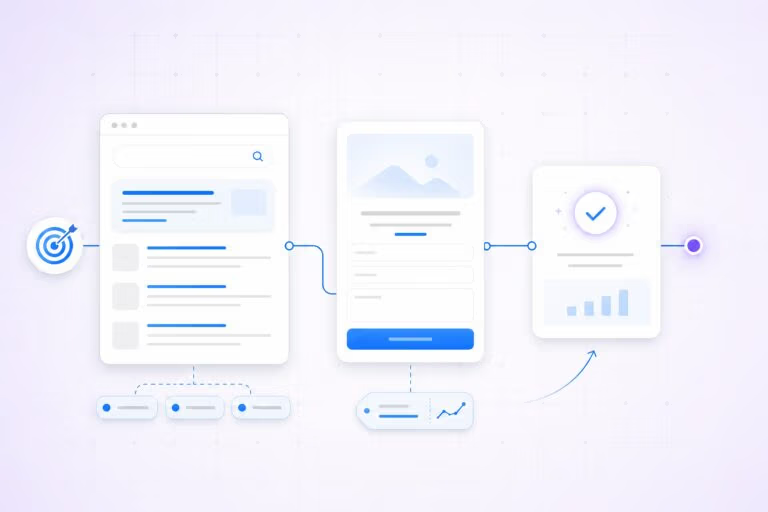
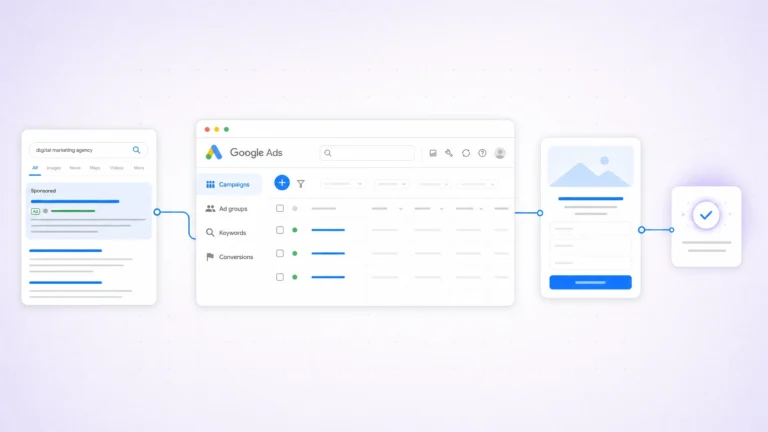
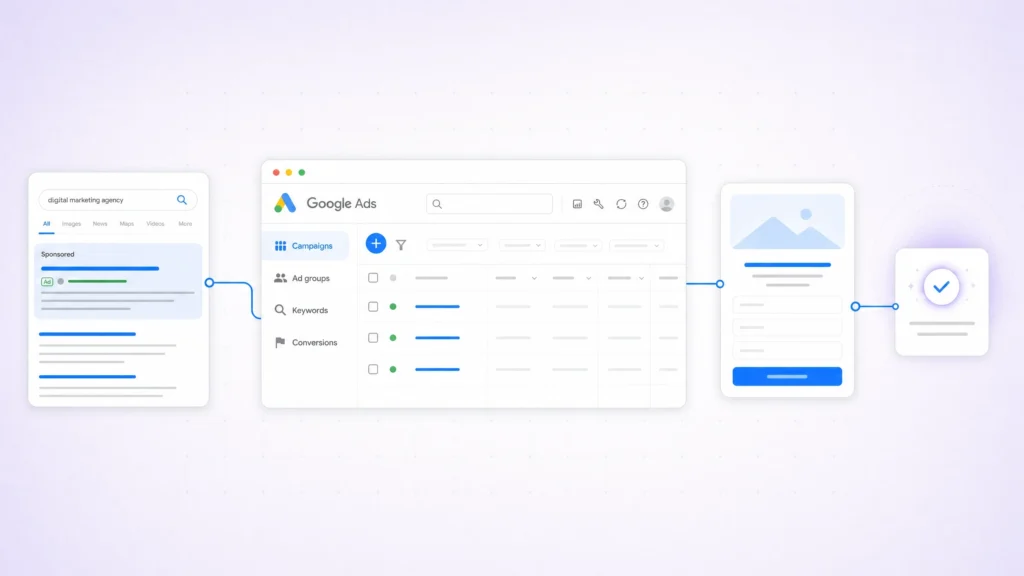
Most search PPC (for example on Google) uses an automated auction. Advertisers choose keywords, set budgets and maximum bids, and write ads. When someone searches, the platform runs an instant auction that considers bids and ad quality to decide which ads show and in what order. You typically pay only when someone actually clicks your ad.
Common PPC terms
Key concepts local business owners should know
- Cost per click (CPC) – what you pay for a single click on your ad. Your actual CPC can be lower than your maximum bid.
- Budget – the total you allow a campaign to spend each day or month.
- Keywords – the search terms or topics you target so your ads show to relevant searches.
- Ad Rank / Quality – the platform’s evaluation of relevance and expected performance; better relevance can lower what you pay.
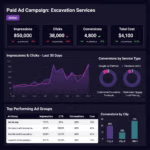
- Impressions vs clicks – impressions are views of an ad; clicks are interactions that typically trigger a charge under PPC.
Why local businesses use PPC
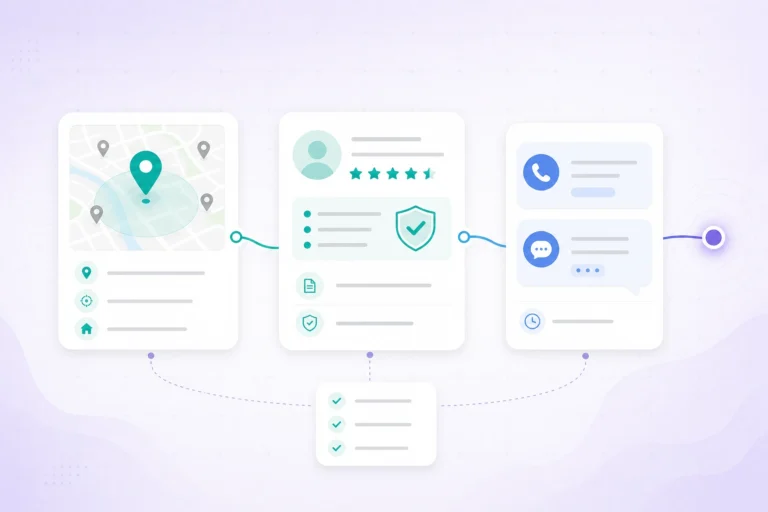
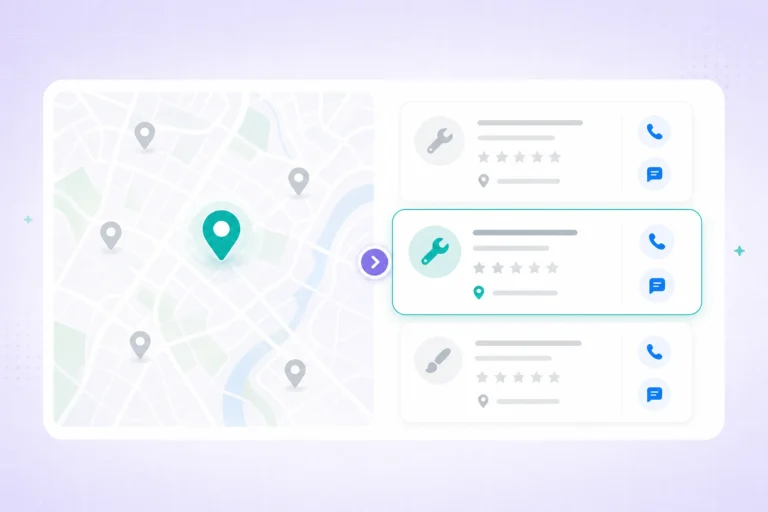
PPC lets you target users who are actively searching for services or products in your area. For local businesses that want immediate visibility, search ads can appear above organic results and reach potential customers at the moment they look for a solution. PPC also gives control over budget, targeting by geography and time, and measurable results through basic analytics.
Trade-offs and what to watch for
- PPC requires ongoing management. Keywords, bids, and ads need regular adjustments to avoid wasted spend.
- Competitive keywords can be costly. Cost depends on competition, relevance, and bid strategy rather than a fixed rate.
- Conversion tracking matters. Paying for clicks is useful only if you measure actions that matter to your business, such as calls, bookings, or purchases.
Simple first steps to try PPC with Google Ads
- Decide your objective (calls, store visits, bookings, or website leads).
- Choose a modest daily budget to test and a small set of targeted keywords or local audiences.
- Create clear ads and set location targeting to the area you serve.
- Turn on conversion tracking (phone calls, form submits, or appointments) so you can see whether clicks lead to value.
- Review results after a short test period and adjust keywords, bids, and ads based on what performs.
When to get help
If you prefer to avoid the learning curve, many local businesses work with an advertising agency or consultant that manages keyword selection, bidding, ad writing, and measurement. That can be helpful when budgets are limited and you need steady performance.
Next step
If you want professional support to set up or manage campaigns, learn about our Google Ads Management service for local businesses. We provide setup, ongoing optimization, and measurement so you can focus on running your business.
For official documentation, see Google Ads: Cost-per-click CPC definition or Overview: Google Ads and PPC Google Business resources.
FAQ
How can a local business start with Google Ads in simple steps?
Decide your objective (calls, store visits, bookings, or website leads). Choose a modest daily budget to test and a small set of targeted keywords or local audiences. Create clear ads and set location targeting to the area you serve. Turn on conversion tracking (phone calls, form submits, or appointments) so you can see whether clicks lead to value. Review results after a short test period and adjust keywords, bids, and ads based on what performs.
What are the trade-offs and what should I watch for in PPC campaigns?
PPC requires ongoing management, with keywords, bids, and ads needing regular adjustments to avoid wasted spend. Competitive keywords can be costly, and cost depends on competition, relevance, and bid strategy rather than a fixed rate. Conversion tracking matters, as paying for clicks is useful only if you measure actions that matter to your business, such as calls, bookings, or purchases.
Why do local businesses use PPC?
PPC lets you target users who are actively searching for services or products in your area. For local businesses that want immediate visibility, search ads can appear above organic results and reach potential customers at the moment they look for a solution. PPC also gives control over budget, targeting by geography and time, and measurable results through basic analytics.
What are the common PPC terms local business owners should know?
Key concepts local business owners should know include cost per click (CPC)—the amount you pay for a single click on your ad, where your actual CPC can be lower than your maximum bid; budget—the total you allow a campaign to spend each day or month; keywords—the search terms or topics you target so your ads show to relevant searches; ad rank / quality—the platform’s evaluation of relevance and expected performance, where better relevance can lower what you pay; and impressions versus clicks—impressions are views of an ad, while clicks are interactions that typically trigger a charge under PPC.
What does PPC mean and how does it work for a local business?
PPC stands for pay-per-click. In a PPC campaign you create ads and a platform charges you when someone clicks an ad, with Google typically describing this as cost-per-click, or CPC. PPC is a way to buy visits or visibility on search engines, websites in an ad network, and video platforms. Most search PPC (for example on Google) uses an automated auction where advertisers choose keywords, set budgets and maximum bids, and write ads. When someone searches, the platform runs an instant auction that considers bids and ad quality to decide which ads show and in what order, and you typically pay only when someone actually clicks your ad.